
How Much Does It Cost to Build an MVP?
When starting a new business, one of the most important steps you can take is creating a Minimum Viable Product (MVP). It allows you to test your ideas in the real market, gather feedback from users, and make informed decisions about your product's future.
But how much does it cost to build an MVP? In this article, we'll break down the various factors influencing MVP development costs, share real-world examples, and offer practical tips for building an MVP on a budget.
What is an MVP?
A Minimum Viable Product (MVP) is a version of your product that includes only the core features necessary to address the primary problem of your target audience. It's designed to test the viability of your business idea with minimal resources. The idea is to release it as quickly as possible to gather user feedback and iterate based on that input.
Building an MVP helps entrepreneurs validate their concept and gauge market interest before investing heavily in a full-scale product. It’s an essential step in reducing the risks associated with launching a new product.
Why Build an MVP?
Developing an MVP offers several key advantages for startups and entrepreneurs:
- Quick Validation of Ideas: MVPs allow you to test your business concept quickly without a huge financial commitment. By validating your idea early, you can avoid wasting time and money on a product that may not succeed.
- Cost-Effective Development: Instead of building a fully-fledged product, you focus on the essential features. This reduces development time and costs significantly.
- Feedback Loop: With an MVP, you can collect user feedback, analyze it, and refine your product to better meet customer needs.
5 Major Factors Affecting the Cost of Building an MVP
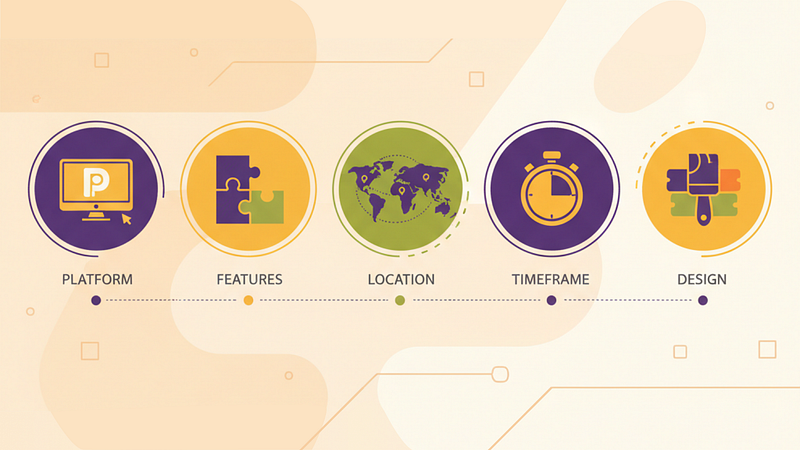
Building an MVP can range from a few thousand dollars to hundreds of thousands, depending on various factors. Let’s explore the key elements that impact MVP development costs.
Development Platform
The platform you choose to build your MVP on, whether it’s a web app, mobile app, or hybrid solution, can significantly influence the cost. Mobile apps, for instance, tend to be more expensive than web apps due to platform-specific development requirements (iOS, Android, etc.).
Hybrid apps that work on multiple platforms can also add to the cost, though they can offer savings in the long term compared to building separate apps for each platform.
Features and Complexity
The number and complexity of features directly affect the cost of your MVP. A basic MVP with just a few core features will be more affordable than a complex app with multiple integrations, customizations, and third-party APIs. It's crucial to focus on the minimum set of features that solve the core problem.
Development Team Location
The location of your development team plays a major role in determining the overall cost. Hiring developers from high-cost countries like the United States or Western Europe will typically lead to higher rates. On the other hand, outsourcing to countries in Eastern Europe or Asia can result in more affordable rates without sacrificing quality.
Timeframe
The faster you want to launch your MVP, the more it will cost. Expedited development requires more resources, possibly including overtime work, which increases the overall price. If you can afford a longer timeline, you may save money by spreading out the development work.
Design and User Experience
A clean, intuitive design is key to an MVP's success. The more advanced the design, the higher the cost. While you might not need complex UI/UX at this stage, a simple and user-friendly design can still make a significant impact on your product's usability and reception.
Average Costs to Build an MVP
Now that we’ve outlined the factors, let’s dive into the average costs of building an MVP. These costs can vary based on several factors like the platform, development team, and complexity of the project.
Cost Breakdown by Region
The location of your development team plays a significant role in determining how much it will cost to build your MVP. Developers in different regions have varying hourly rates, and these differences can be substantial.
While the United States and Western Europe tend to have higher rates due to their higher cost of living, Eastern Europe and Asia offer more affordable options without compromising on quality. Here’s a typical breakdown of MVP development costs based on the region:

Cost Breakdown by Industry
The industry you’re working in also affects how much it will cost to develop an MVP. Different industries require different features, regulations, and technologies, which can influence the development time and complexity. Here’s a typical cost breakdown by industry for MVP development:

Typical Range of MVP Development Costs
The complexity of your MVP plays a significant role in its final cost. A Simple MVP with just the core features will be far more affordable than a Complex MVP that includes advanced functionality, integrations, and a custom-built architecture. Here’s a general cost range based on the type of MVP:

Average Costs to Build an MVP from Devxhub
At Devxhub, we prioritize affordability and efficiency in our MVP development process, ensuring that startups get the best value without compromising on quality. Our approach is designed to offer high-quality MVP solutions that meet industry standards at a more competitive price point. Let’s take a closer look at how our costs compare to the industry averages for MVP development across different regions and industries.
Cost Breakdown by Region
One of the most significant factors that influence the cost of MVP development is the location of the development team. By leveraging our global network and optimizing our processes, we provide competitive rates that are lower than the industry average. Here's how our pricing compares:

Cost Breakdown by Industry
Different industries come with their own set of challenges, which can impact the cost of building an MVP. However, Devxhub's efficient processes and expertise in various sectors allow us to offer industry-specific solutions at competitive prices. Here’s a look at how our MVP development costs compare to the average for several industries:

How to Build an MVP on a Budget
Building an MVP doesn’t have to break the bank. Here are a few cost-effective strategies to help you save money while still building a functional product.
- Outsource Development: Outsourcing MVP development can significantly reduce costs. You can hire developers from regions with lower hourly rates, such as Eastern Europe or Asia, without compromising quality.
- Use No-Code/Low-Code Platforms: No-code and low-code tools allow you to build functional MVPs without needing to write a single line of code. These platforms can be a great way to get your product to market faster and at a lower cost.
- Focus on Core Features: The key to an affordable MVP is focusing on the essential features that address the core problem your product aims to solve. Avoid building unnecessary features that can increase both time and cost.
- Leverage Pre-Built Solutions: Using existing tools or platforms can help reduce custom development work. For example, you might use a pre-built e-commerce platform for an online store instead of building one from scratch.
- Iterative Development Approach: Building an MVP iteratively allows you to start small and expand based on user feedback. This approach helps you avoid over-investing upfront while ensuring that you’re building a product that users actually want.
Steps to Build an MVP
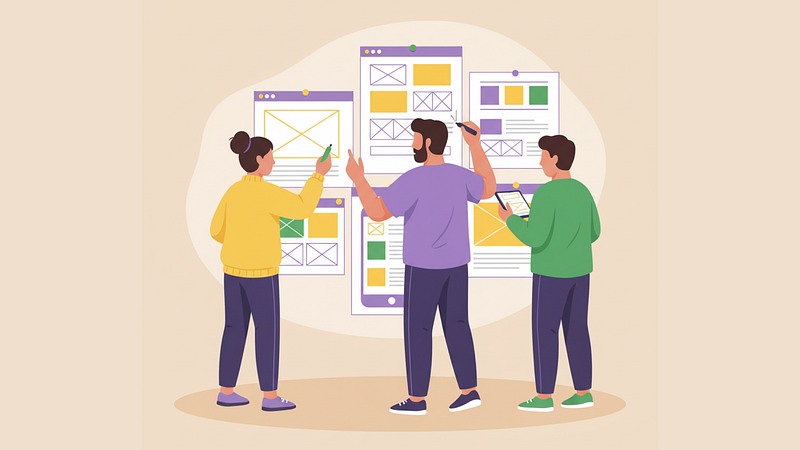
Building an MVP involves several key steps. Here's a breakdown of the process.
Step 1: Ideation and Planning
Before jumping into development, clearly define your goals and the core features your MVP must include. Understanding your target audience and their needs is crucial at this stage.
Step 2: Prototyping and Wireframing
Use tools like Sketch, Figma, or Balsamiq to create wireframes or low-fidelity prototypes. This helps visualize your MVP’s layout and functionality without costly development.
Step 3: Development and Testing
Once you have a prototype, move into development. Use agile methodologies to work in sprints, ensuring you can gather feedback and make adjustments as needed. Conduct user testing to validate functionality.
Step 4: Launch and Gather Feedback
Once your MVP is live, focus on gathering user feedback. Understand what users like, dislike, and what improvements they’d like to see.
Step 5: Iteration and Scaling
Based on feedback, iterate on your MVP, adding new features and enhancements. Manage your resources carefully to keep costs under control while scaling.
Why MVP from Devxhub?
When it comes to building your MVP, selecting the right development partner can make all the difference. At Devxhub, we provide an affordable yet high-quality solution tailored to your startup’s needs.
Our experienced team and streamlined development process ensure that you can bring your product to market quickly and efficiently, all while staying within budget. Here’s why Devxhub is the ideal choice for your MVP development:
- Cost-Effective Pricing: We offer competitive rates, providing exceptional value for startups on a budget without sacrificing quality.
- Experienced Team: Our developers are highly skilled and experienced in building MVPs across various industries, ensuring your product meets high standards.
- Quick Turnaround: Devxhub specializes in fast-paced development cycles, allowing you to launch your MVP sooner and begin collecting user feedback quickly.
- Tailored Solutions: We take the time to understand your unique business goals and market needs, ensuring that your MVP reflects your vision and target audience.
- Scalable Development: Our MVPs are designed with scalability in mind, so you can easily expand and enhance your product as your business grows.
- Industry Expertise: Whether you’re building a Fintech, Healthcare, or E-commerce product, our team has the expertise to meet the specific demands of your industry.
- Agile Methodology: We use agile development practices, which means your MVP will evolve based on real user feedback, leading to a more successful product.
- Quality Assurance: We prioritize thorough testing throughout the development process to ensure your MVP is functional, bug-free, and user-friendly.
- Post-Launch Support: After your MVP is launched, we provide ongoing support to help you refine and iterate based on user feedback.
- Global Reach: With teams in diverse regions, we offer the advantage of leveraging cost-effective resources without compromising on quality or expertise.
Pros and Cons of Building an MVP
Building an MVP (Minimum Viable Product) is a common strategy for startups looking to quickly validate their ideas with minimal upfront investment. While this approach can offer significant benefits, it also comes with a few challenges.
Below, we’ll explore the pros and cons of developing an MVP to help you decide whether it’s the right approach for your business.
Pros
- Fast Time-to-Market: An MVP helps you bring your product to market quickly, allowing you to test and iterate based on real user feedback.
- Cost-Effective Validation: You can validate your business idea without committing to large investments in a full-scale product.
- Lower Initial Investment: Developing an MVP allows you to start small, reducing the financial risk of your startup.
Cons
- Limited Features: Your MVP may lack some features that users expect, which can lead to dissatisfaction if not carefully managed.
- Technical Debt: Rushing to build a minimum version of your product can lead to sloppy code or future scalability issues.
- Underestimating Scalability: While MVPs are meant to be simple, they may not be able to scale as efficiently once your product grows.
Case Studies of MVPs and Their Costs
Examining real-world examples of successful MVPs can provide valuable insights into how startups can test their ideas and validate market demand with minimal investment. These case studies highlight how companies were able to launch their products, attract users, and secure funding with simple, cost-effective MVPs.
Let’s take a look at three well-known companies and how their MVP strategies shaped their success.
Case Study 1: Dropbox
Dropbox’s MVP was a simple video demonstrating the product’s core functionality. This allowed them to gauge interest and secure initial funding before building out the full product. The MVP cost was minimal, but the idea generated massive investment and growth, leading to Dropbox becoming one of the most successful cloud storage companies today.
Case Study 2: Airbnb
Airbnb’s MVP involved renting out air mattresses in their living room, validating the concept before building the full platform. This early MVP cost very little, but it helped validate the idea and proved that people were willing to pay for short-term lodging. This concept led to the creation of a billion-dollar company that disrupted the travel and hospitality industry.
Case Study 3: Zappos
Zappos started with a simple MVP, a website that showed shoes available for sale. They didn’t stock inventory initially; instead, they took pictures from local stores and listed them online. This low-cost MVP allowed Zappos to test their concept and gain customer interest, eventually growing into a major online retailer and being acquired by Amazon.
Frequently Asked Questions
What are the most cost-effective MVP development strategies?
Outsourcing, using no-code tools, and focusing on core features are some of the most cost-effective ways to develop an MVP. You should also consider leveraging existing platforms to save time and money.
What’s the difference between an MVP and a prototype?
An MVP is a functional product with only the core features necessary to meet the needs of users, while a prototype is typically an early version of a product used to test concepts, designs, or user flow.
Should I launch an MVP to investors?
Yes, an MVP can be a powerful tool when seeking investors, as it demonstrates proof of concept and the potential of your idea with real user feedback.
How much does an MVP cost for a mobile app?
The cost of building an MVP for a mobile app varies, but you can expect to pay anywhere from $30,000 to $150,000 depending on features, platform (iOS, Android, or both), and the development team's location.
Is it possible to build an MVP without hiring a developer?
Yes, using no-code or low-code platforms, you can create an MVP without needing a developer. However, for more complex features, hiring a developer may still be necessary.


5.0
Unlock your new development team today.
If you have a hard time finding the right development team or software solutions
Book a free call